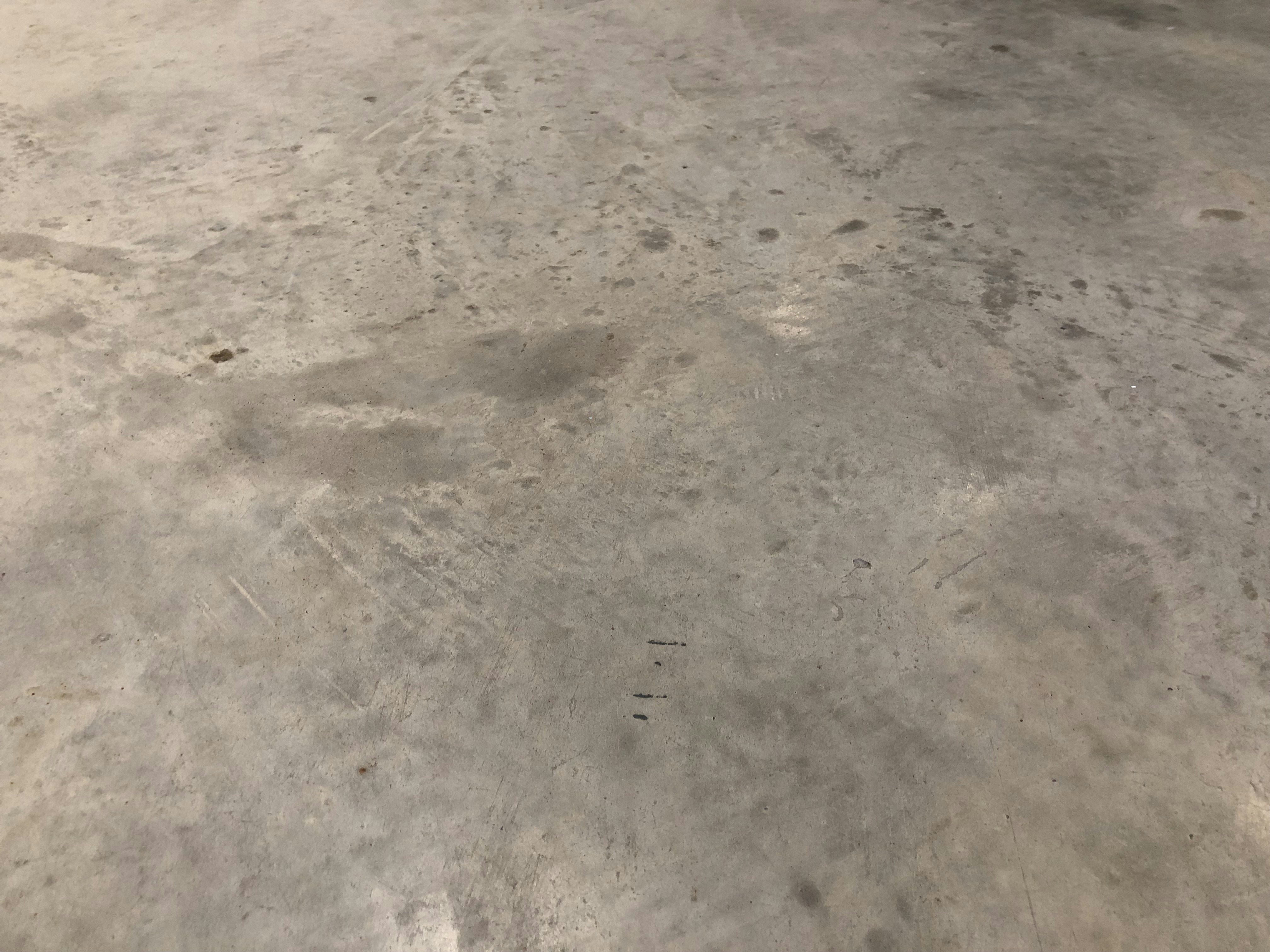
Floor Repairs & Scabbling UK
What is Floor Repairs & Scabbling?
We utilize advanced pneumatic bush hammers and scabbling tools to mechanically profile concrete surfaces, remove laitance, and repair deep spalling. Whether you need to fix cracks or remove honeycomb concrete, our precise dust-free methods ensure structural integrity.
Benefits for Industrial Sites & Factories
Why choose mechanical scabbling? It provides a robust solution for heavily damaged floors where standard grinding isn't enough.
Crack Fixing & Spall Repair
Effective removal of honeycomb concrete and loose material to provide a sound base for structural mortar repairs.
Overlay Key Creation
Creates a heavy mechanical key (CSP 6-9) essential for bonding thick screeds, toppings, and heavy-duty overlays.
Minimal Depth Removal
Precisely removes only damaged surface layers (typically 3-5mm) without compromising the slab's structural integrity.
Surface Preparation
Removes laitance, contaminants, and old coatings more aggressively than grinding for deep surface restoration.
Our Floor Repair & Scabbling Services
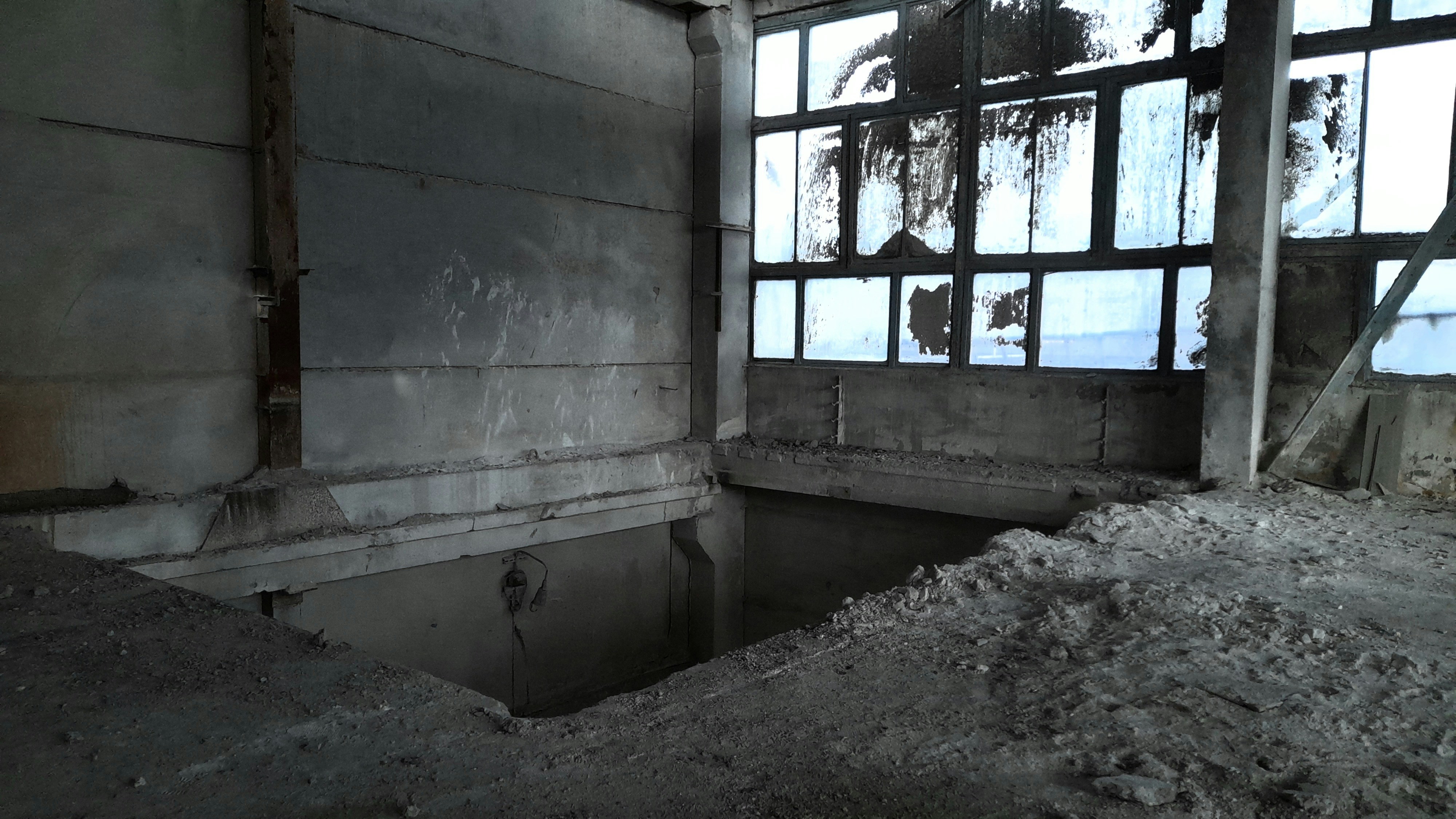
Industrial Floor Repairs UK
Nationwide contractors for rapid warehouse floor defect repairs.
Scabbling Contractors Birmingham
Local surface profiling experts serving the West Midlands.
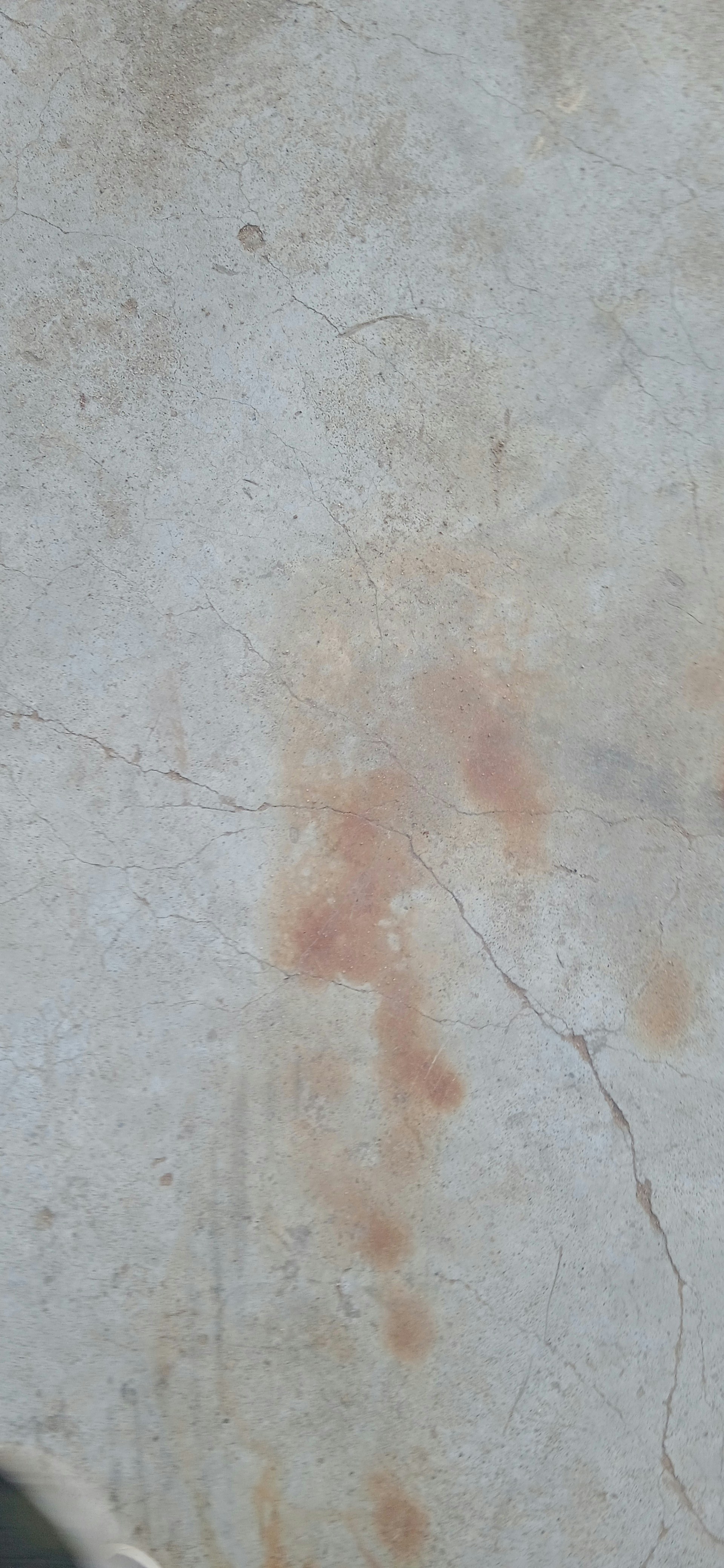
Concrete Spall Repair
Specialized joint arris repair and honeycomb removal services.
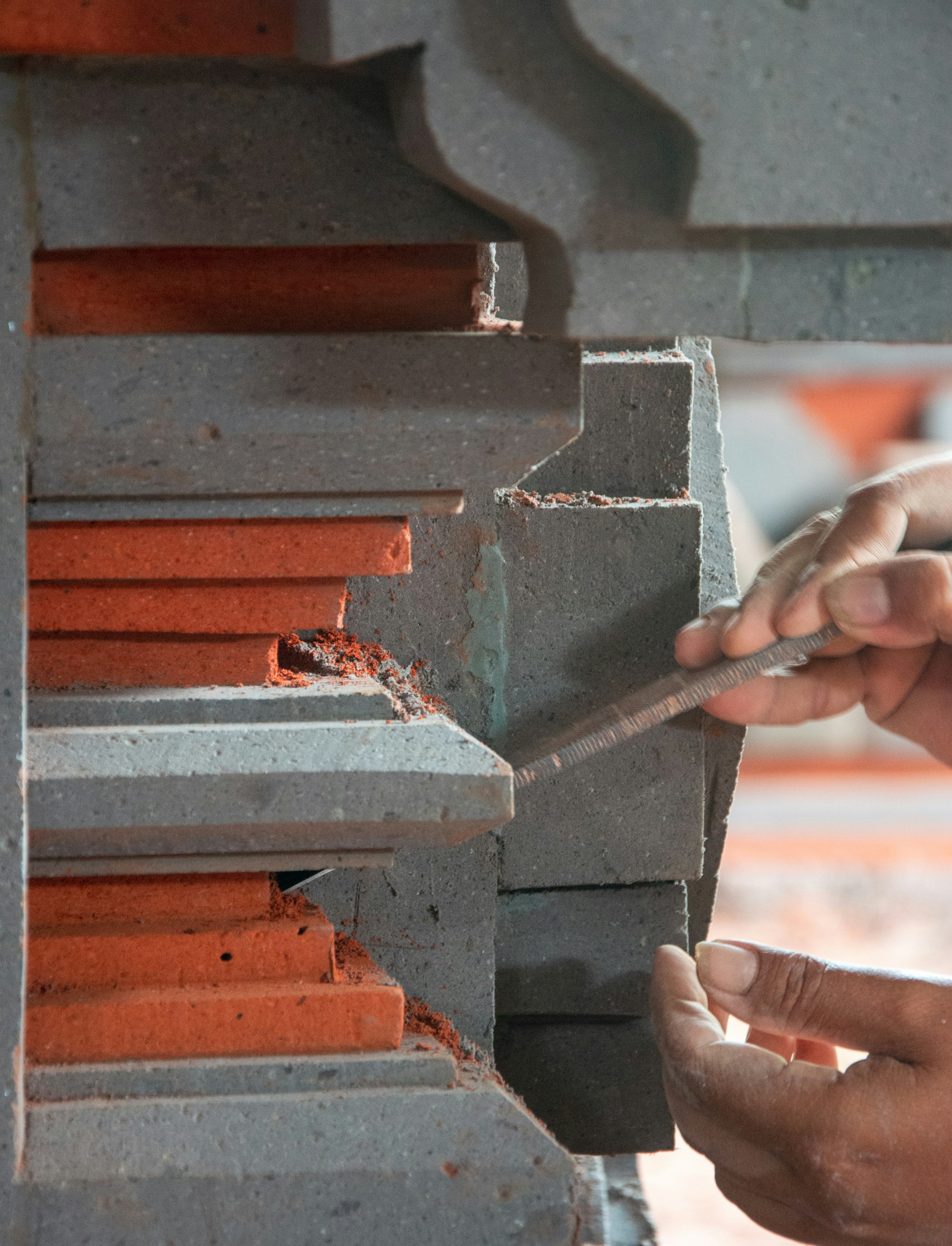
Mechanical Floor Profiling
Heavy-duty preparation for screeds and polymer toppings.
The Floor Repair & Scabbling Process
Assess & Survey
We inspect the concrete for spalling depth, delamination, and contamination. Sounding tests identify hollow spots requiring removal.
Mechanical Scabbling
Using pneumatic bush hammers, we remove loose, weak concrete to expose sound aggregate and create a heavy CSP profile.
Patch & Reinstate
We apply high-strength epoxy mortar or polymer-modified screed to restore levels, followed by final finishing.
Floor Repair & Scabbling Costs UK
Transparent pricing for industrial floor preparation. Costs typically range from £3 to £6 per m² depending on complexity.
| Repair Type | Damage Severity | Area Size | Est. Cost |
|---|---|---|---|
| Surface Scabbling | Minor | Large (>500m²) | £3.00 - £4.50 /m² |
| Deep Profiling | Moderate | Medium (100-500m²) | £4.50 - £6.00 /m² |
| Spall Repair & Patching | Severe | Spot Repairs | Day Rate (£450+) |
Factors Affecting Cost
Location (Birmingham vs Nationwide), access restrictions, waste disposal needs, and power availability.
Real Results: Repair Case Studies
View All ProjectsAutomotive Plant Repair
"Removed 10mm of oil-soaked concrete, allowing successful epoxy bond."
Warehouse Spall Fixing
"Restored smooth forklift transition, reducing tire wear significantly."
Food Factory Resurfacing
"Removed failing screed in 2 days over a weekend shutdown."
Scabbling vs Grinding: Which is Right?
Understanding the difference between mechanical scabbling and diamond grinding is crucial for selecting the right preparation method for your floor.
Mechanical Scabbling
Impact method using tungsten carbide flails.
- Best For: Heavy stock removal (>3mm) and removing thick overlays.
- Profile: Very rough (CSP 6-9) - ideal for heavy screeds.
- Result: Exposes coarse aggregate, removes unsound concrete.
- Finish: Rough texture, requires a topping layer.
Diamond Grinding
Abrasion method using rotating diamond discs.
- Best For: Smoothing, cleaning, and light adhesive removal.
- Profile: Smooth to sandpaper texture (CSP 1-3).
- Result: Flat surface, minimal material removal.
- Limitations: Can't remove deep damage or thick screeds efficiently.
Frequently Asked Questions
Need Urgent Floor Repairs?
Don't let damaged concrete slow down your operations. Get a fast, accurate quote today.
We prioritize urgent industrial repair requests.